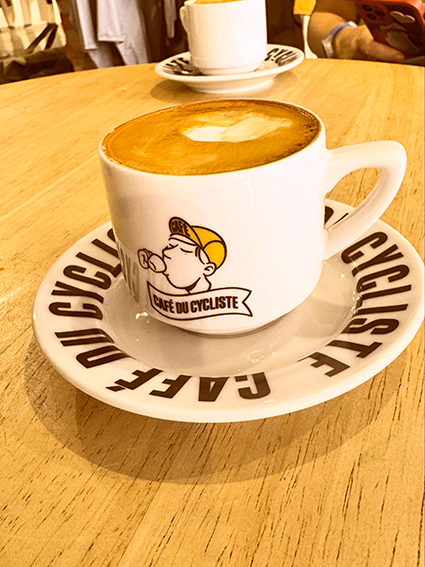
There are many ways people try to define freedom. Some imagine wide open spaces, others think of financial independence, travel, or the absence of responsibility. For me, freedom is much simpler and far more tangible. It has two wheels, a frame, a set of pedals, and a road that disappears into the distance. Cycling is the purest form of freedom I know, not because it removes me from the world, but because it places me fully inside it.
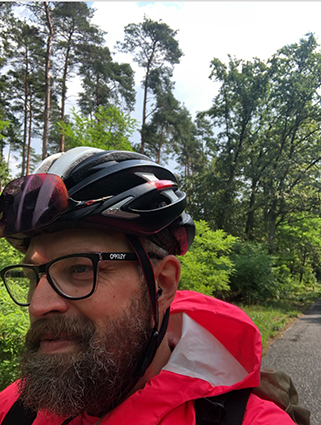
I love cycling because it strips life down to its essentials. When I am on my bike, everything unnecessary falls away. There is no noise beyond the wind, no urgency beyond the next turn, no demand beyond the rhythm of my breathing. Cycling asks only one thing of me: to keep moving. In return, it gives me a sense of autonomy, clarity, and connection that no other activity has ever matched.
At its core, cycling is self-powered movement. Every meter I travel is earned. There is something deeply satisfying about knowing that I alone am responsible for my progress. No engine assists me, no schedule dictates my pace. If I want to stop, I stop. If I want to push harder, I push. This direct relationship between effort and reward is rare in modern life, where outcomes are often abstract and delayed. On a bike, the feedback is immediate. My legs turn, the wheels spin, and the world unfolds in front of me.
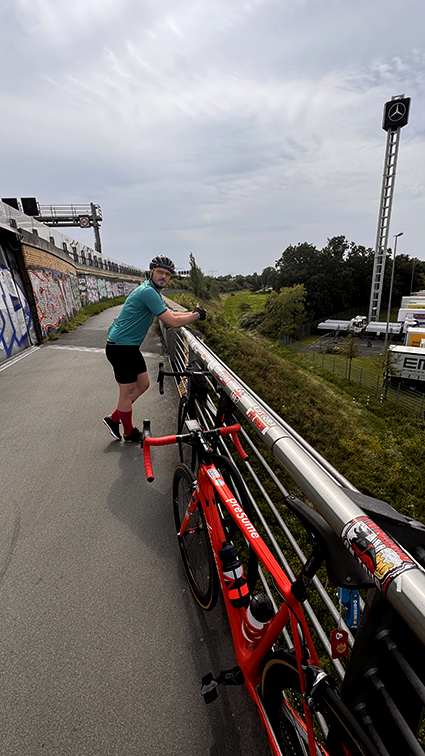
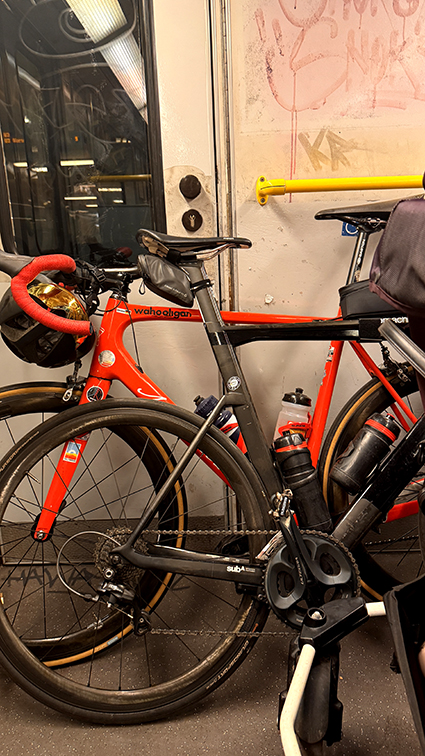
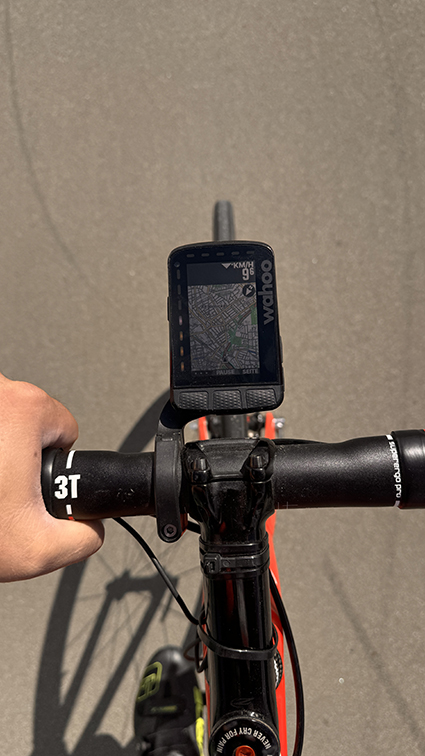
This is where freedom begins for me: in control. Cycling gives me agency over my body and my direction. I choose the route, the speed, the destination—or whether there even needs to be a destination at all. Some of my favorite rides end exactly where they began, having accomplished nothing measurable except the feeling of having been alive and present for a few hours. In a world obsessed with productivity and purpose, cycling allows me to exist without justification.
Freedom, for me, is also about escape—not in the sense of avoidance, but release. When I ride, I leave behind the constant pull of expectations. Emails do not follow me up hills. Deadlines cannot keep pace with me on long descents. Problems that feel overwhelming when I am stationary often shrink to manageable proportions once I am moving. The act of pedaling has a way of untangling my thoughts, of turning mental noise into something orderly and calm.
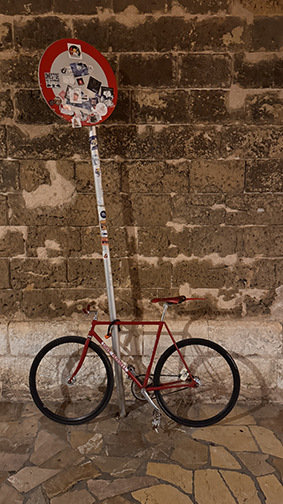
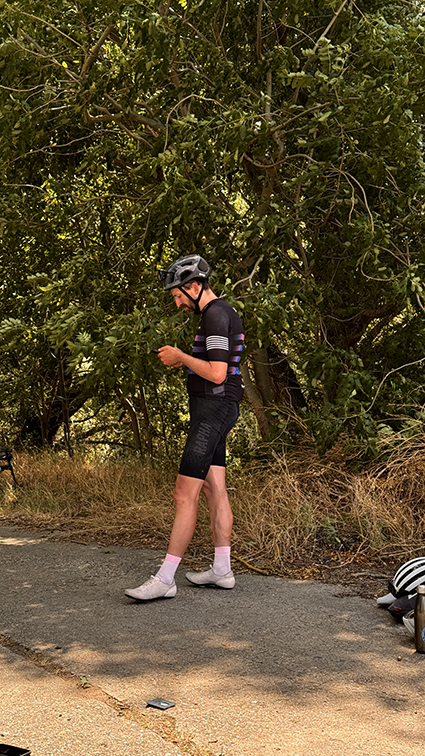
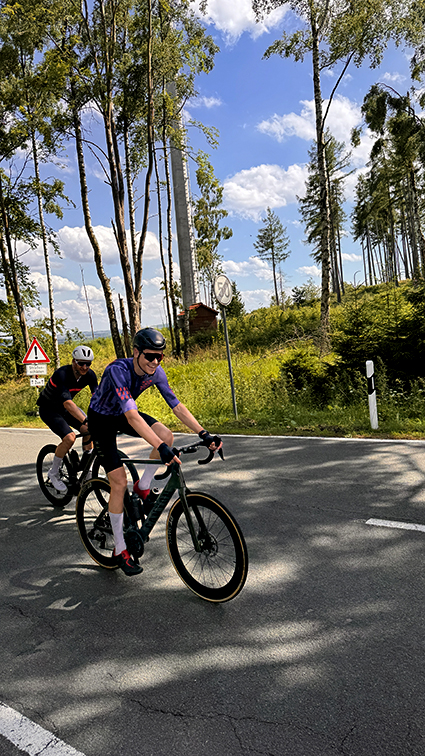
There is a meditative quality to cycling that I have never found elsewhere. The repetition of the pedal stroke, the steady cadence, the synchronization of breath and movement—all of it creates a rhythm that quiets my mind. Thoughts come and go without demanding attention. Sometimes I think deeply; sometimes I think of nothing at all. Both states feel equally valuable. On the bike, silence is not empty. It is full of awareness.
Cycling also gives me a profound sense of connection—to my surroundings, to my body, and to time itself. Unlike driving a car or riding public transport, cycling does not insulate me from the environment. I feel changes in temperature immediately. I smell the rain before it arrives. I notice subtle shifts in light as the day progresses. Hills are not abstract elevations on a map; they are physical challenges that demand respect and effort. Distance is no longer theoretical—it is felt in the muscles and measured in fatigue.
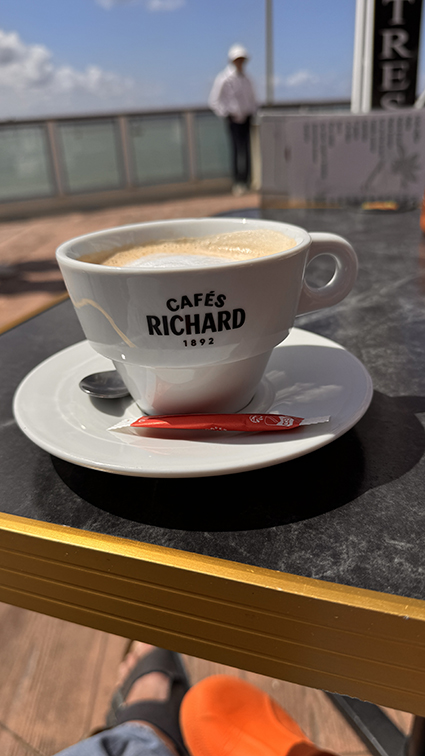
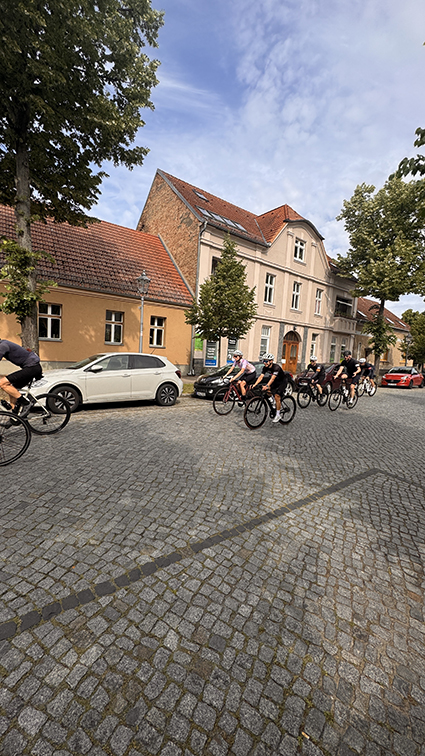
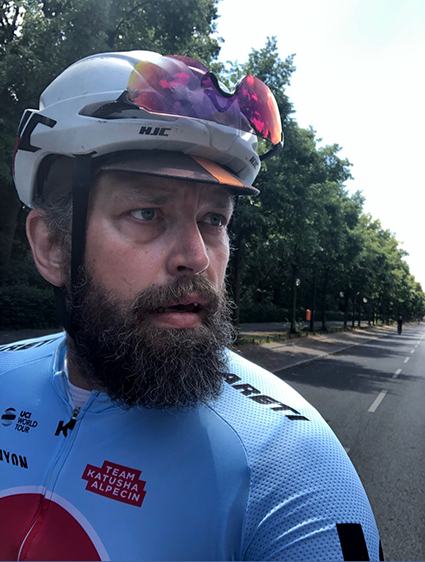
This connection makes the world feel larger and more meaningful. A stretch of road ridden at cycling speed reveals details that would otherwise go unnoticed: the texture of the asphalt, the way trees lean toward the sun, the quiet lives unfolding in places most people pass without seeing. Cycling teaches me that the journey matters more than the destination, not as a cliché, but as a lived truth.
The freedom I find in cycling is also deeply personal because it exists outside comparison. On a bike, I am not competing unless I choose to. I am not performing for anyone. There are no metrics that truly matter beyond how I feel. Even when I track distances or times, they remain secondary to the experience itself. Cycling allows me to define success on my own terms, which is something modern life rarely permits.
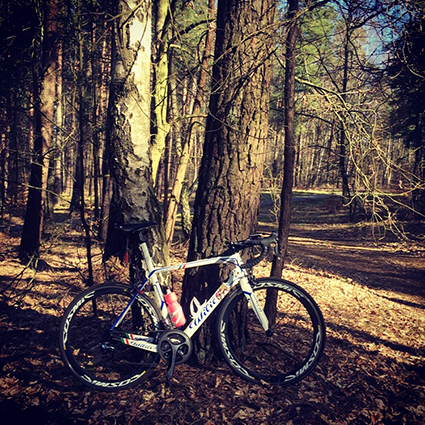
There are days when cycling feels like strength—when my legs are powerful, my breathing steady, and the road seems to invite speed. On those days, freedom feels expansive and exhilarating. But there are also days when cycling feels fragile, when every climb is a negotiation and every kilometer is earned slowly. Even then, freedom remains. In fact, it may be strongest in those moments, because I am reminded that I am allowed to move at my own pace. I do not have to be fast to be free.
Cycling has taught me patience. Progress is gradual, improvement often invisible, and setbacks inevitable. Some rides are hard for no clear reason. Others feel effortless despite expectations. Over time, I have learned to accept this variability—not just on the bike, but in life. Cycling mirrors existence in this way: you keep pedaling, adapt to conditions, and trust that momentum will return.
Another reason cycling represents freedom to me is its accessibility. I do not need special circumstances to ride. I can leave directly from my doorstep and be somewhere entirely different within minutes. The threshold between everyday life and adventure is incredibly small. A simple decision—putting on a helmet, stepping outside—is all it takes to change the tone of a day. That immediacy makes freedom feel attainable, not distant or idealized.
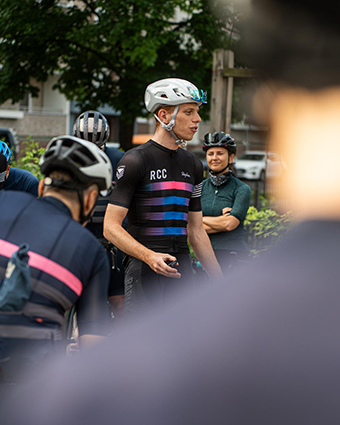
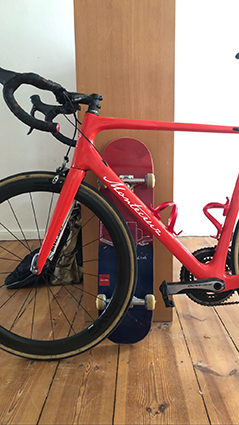
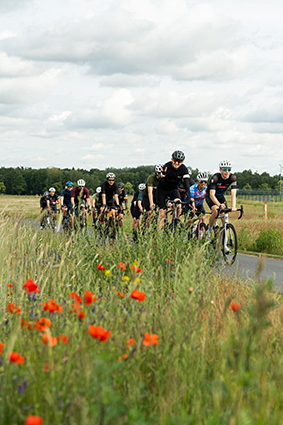
There is also something quietly rebellious about cycling. In choosing to move through the world under my own power, I step slightly outside systems designed for speed, consumption, and efficiency. Cycling is slower than driving, yet richer. It resists the idea that faster is always better. When I ride, I reclaim time that would otherwise be lost to distraction. I engage with space rather than bypassing it. This feels like an act of personal sovereignty.
Freedom, in my experience, is rarely loud. It does not announce itself. It emerges in moments of alignment—when effort, intention, and environment converge. Cycling offers these moments regularly. They appear at the top of a climb, in the silence before a descent, or on a long straight road where the horizon seems fixed and infinite. In those moments, I feel unburdened, not because my responsibilities have disappeared, but because they no longer define me.
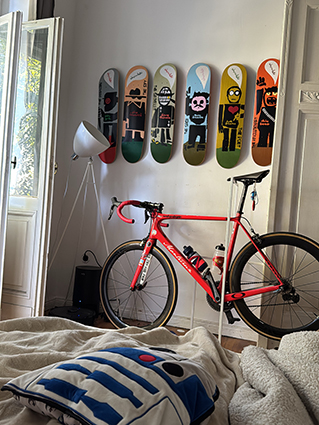
Perhaps what I love most about cycling is that it remains honest. It does not pretend to be easy. It does not promise shortcuts. It rewards consistency, humility, and presence. The bike gives back exactly what I put into it, nothing more and nothing less. That fairness is comforting in a world that often feels arbitrary and overwhelming.
Cycling has become my way of returning to myself. Whenever life feels too crowded, too fast, or too demanding, I know that I can find clarity on the road. The act of riding reminds me that freedom is not something I need to acquire or earn in grand ways. It is something I can experience here and now, through movement, awareness, and choice.
In the end, I love cycling because it gives me a sense of ownership over my time, my body, and my direction. It allows me to exist without explanation. On a bike, I am not defined by my role, my past, or my future. I am simply a person moving through space, propelled by intention and curiosity. That is the most freedom I can imagine—and it is always waiting for me, just one ride away.
cyclying is friendship, coffee, laughter and long roads to see the sun set on, it is just marvelous.
artoo871 – 2026