
Spring as a Double-Edged Awakening
Spring has always carried with it the energy of renewal, the subtle hum of transformation, and the irresistible urge to step outdoors and feel the world reawakening after months of winter’s heavy silence. For many people—myself included—cycling becomes the perfect way to tap into that awakening. The moment the air warms just enough, and the daylight stretches noticeably further into the evening, I find myself unlocking my bike, tightening the straps on my helmet, and pedaling into the season like it’s the entrance to a personal renaissance.
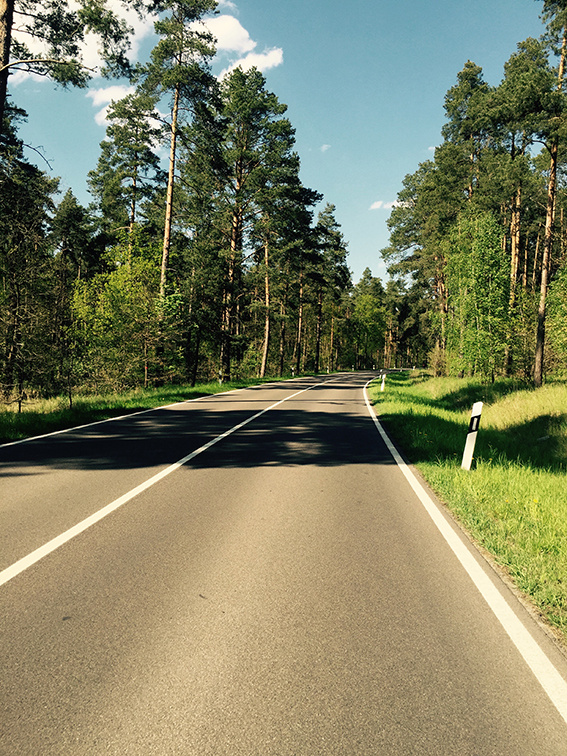
Yet alongside this joy comes another awakening, one far less poetic: allergies. While spring invites me into motion, allergies pull me back into myself, reminding me that my body responds to the season with conflict as well as delight. Cycling wakes me up physically, mentally, and emotionally, but the allergies that arrive with blooming flowers and budding trees sometimes leave me dizzy, foggy, or unable to fully experience the clarity I chase.
This essay explores that tension—how something as simple and profound as cycling in spring can feel like both a liberation and a negotiation with the limits of my own biology. It’s a reflection on harmony and discord, on the interplay between movement and breath, on the way nature offers both exhilaration and challenge in the same gust of wind.
The Return to Movement: Why Spring Makes Me Reach for My Bike
After the long dormancy of winter, the shift into spring is not just environmental; it feels personal. Everything begins to loosen—the ground, the air, even the stiffness in my shoulders and the heaviness in my thoughts. Cycling becomes a way to match the rhythm of the season, a physical embodiment of thawing out.
There is a moment each year, subtle but unmistakable, when the world cues me to begin cycling again. Sometimes it arrives as a warm breeze slipping under my jacket, or the smell of wet soil thawing in the sun, or the way sunlight glints off leftover bits of melting snow. On that day, even if logically I know the weather could still betray me, the urge to ride takes hold.
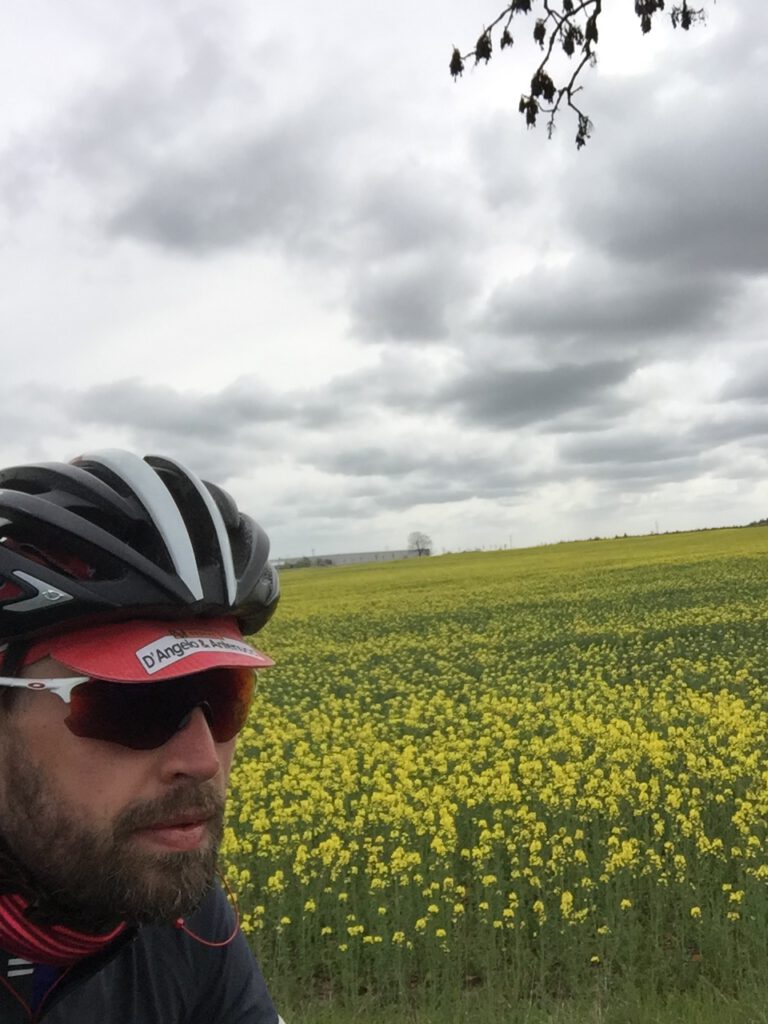
Cycling in spring is not merely exercise. It is a ritual of reanimation. My muscles, almost surprised at first, wake from their winter slumber with the familiar burn that comes in the early miles. My lungs expand more deeply, pulling in air that somehow seems fresher, sharper, and infused with possibility. My mind begins to untangle itself from the knots of winter stagnation. The forward momentum of the bike becomes symbolic of something greater: progress, awakening, hope.
But while cycling reconnects me to vitality, the rest of my body—particularly my sinuses—doesn’t always appreciate spring in the same way.
The Allergy Paradox: A Season That Both Heals and Harms
Allergies, for me, do not arrive gently. They come with gusto, with sneezes that shake my whole body, with eyes that water until I can barely see the path in front of me, with a lightheadedness that feels as though my thoughts are floating several inches behind my skull. My body interprets harmless pollen as an invader, rallying its forces with a dramatic flair that would be admirable if it weren’t so inconvenient.
This becomes especially challenging on a bike, where breathing deeply and remaining alert are not optional but essential. As I pedal through bursts of pollen carried on spring winds, it sometimes feels like I’m moving through an invisible storm—one that looks peaceful and beautiful from afar but turns tumultuous the moment I breathe it in.
The paradox is unmistakable: the season that energizes me also undermines me. The activity that wakes me up also triggers symptoms that leave me dizzy. The air that feels invigorating to ride through is the same air that carries allergens that make me feel faint.
Yet I keep riding. And strangely, this tension makes cycling even more meaningful. It becomes an act of balancing, both literally and figuratively.
The Sensory Duality of Spring Rides
One of the most vivid parts of cycling in spring is how intensely sensory the experience becomes. Everything is new again: the colors bold, the air textured, the landscape shifting week by week. But for someone with allergies, those same sensory qualities can become overwhelming.
The Air
On a good day, the air feels cool and energizing. Each breath lands cleanly in my lungs, the oxygen translating into a burst of strength through my legs. On a bad day, that same breath carries a tickle that cascades into coughing, sneezing, and a spinning sensation that makes me slow down until my body catches up.
The Scents
Spring has a smell—fresh, green, earthy, often sweet. When riding, I experience it in waves, as though each street introduces a new variation: blooming lilacs on one block, fresh-cut grass on the next, damp bark after a light rain. But those smells, lovely as they are, can also clog my sinuses or activate a headache that pulses behind my eyes.

The Visuals
The scenery explodes into color: the lime greens of new leaves, the bold yellows of daffodils, the soft pastels of blossoming trees. But watery eyes sometimes turn that beauty into a blur, like a watercolor painting left out in the rain.
Still, even through these challenges, I find joy in the ride. The discomfort becomes part of the experience—an unwanted partner, but a partner nonetheless.
Why Cycling Still Wins: The Mental Awakening
Cycling clears my mind in a way few other activities can. Winter tends to create a kind of mental static—an accumulation of restless energy and latent worries. When I begin pedaling through the early spring air, that static dissipates, replaced by a clarity that feels almost medicinal.
The rhythm of cycling becomes its own kind of therapy. My mind aligns with the cadence of my feet, the rise and fall of my breath, the hum of the tires against the pavement. Even when allergies tug at me—blurring my vision for a moment or making me feel unbalanced—the overall sensation of movement restores something essential.
There is something uniquely grounding about moving forward despite discomfort. It becomes a lesson in persistence, in attentiveness, in tuning into the body rather than fighting it.
The Science of a Dizzy Rider (Without Getting Too Technical)
Allergy-induced dizziness is a strange sensation, almost as if the world becomes slightly detachable from its frame. The very act of inhaling allergens can inflame the sinuses, disrupt equilibrium, and create pressure changes that affect the inner ear—one of the body’s balance centers. Combine that with physical exertion on a bike, and the results can range from mildly disorienting to frustratingly disruptive.
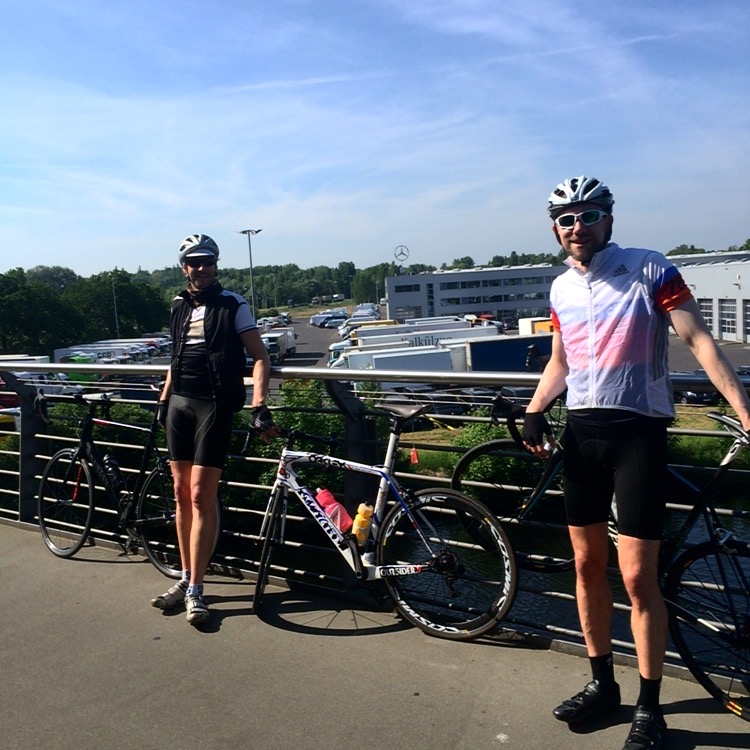
And yet, understanding the cause doesn’t make the effect easier. Sometimes I have to stop and steady myself. Other times I shake off the dizziness like a dog shaking off water. Once in a while, I simply press through it, letting the movement itself reestablish a kind of internal alignment.
The dizziness becomes a conversation between my body and the world—an exchange of signals, warnings, invitations. I learn to listen more carefully. I learn to ride in a way that honors my limits without letting them define the experience.
The Strange Satisfaction of Overcoming the Body’s Obstacles
There’s a unique satisfaction in cycling even when allergies are at their worst. Not in a self-punishing way—more like a recognition that life’s pleasures often come bundled with inconveniences, and choosing the pleasure anyway is a form of defiance against the small frustrations of being human.
When I ride through a dizzy spell and come out the other side, feeling the rhythm of the bike settle me again, I’m reminded that the body is adaptable. It struggles, yet it adjusts. It resists, yet it participates. The dizziness, while unpleasant, sharpens my awareness and makes the moments of clarity feel even more profound.
In this sense, allergies unintentionally teach me presence. They force me to pay attention, to be in my body, to navigate discomfort with intention rather than negligence. That sometimes-annoying dizziness becomes an invitation to deepen my relationship with both cycling and myself.
Spring Cycling as a Dialogue with Nature
Cycling outdoors is fundamentally a conversation with the environment. Spring, with all its dramatic contrasts, makes that conversation especially lively.
The world in spring is vibrant, almost loud in its insistence on being noticed. The trees seem to stretch visibly day by day. Birds sing as though auditioning for attention. The air buzzes with insects newly emerged. The sun feels more confident in its warmth. And pollen—tiny but powerful—floats everywhere like microscopic confetti celebrating the season.
Riding through this tapestry, I feel part of something larger. Even when the pollen attacks my sinuses, I can’t fully resent it. It’s simply part of the seasonal orchestra, one I’m choosing to ride through my own way. The dizziness becomes a slightly offbeat note in an otherwise harmonious symphony.
The Emotional Awakening: Why Spring Rides Feel So Personal
Spring cycling awakens more than muscles and lungs; it awakens parts of the self that lie dormant during the winter. There is a shift in perspective, a widening of internal horizons.
Cycling gives me:
• A sense of autonomy – The ability to move myself through the world under my own power
• A sense of exploration – Even familiar routes feel new in spring’s fresh palette
• A sense of connection – To the environment, to my body, to the season’s momentum
• A sense of vitality – A reminder that motion is life, and I am capable of both
Allergies complicate this awakening, but they do not overshadow it. If anything, they make the moments of clarity even sweeter. Every breath I take freely feels like a small victory. Every ride completed despite dizziness feels like a reclaiming of the season.
Finding Balance: Riding Through Symptoms with Strategy and Humor
Over time, I’ve learned practical strategies to manage the dizzy spells and allergy symptoms so that cycling remains enjoyable rather than risky. But beyond the practical, I’ve learned to have a sense of humor about it.
There is something inherently funny about the contrast: me, riding confidently down a sunlit path, only to be brought to a halt by a sneeze so forceful it feels like a minor natural disaster. Or the way my eyes will start watering so intensely that it must look to passing joggers like the beauty of spring scenery has moved me to tears.
And sometimes the dizziness comes in such a brief, dramatic wave that I can’t help but laugh at myself once it passes. Spring is a season of drama—flowers bursting open, storms sweeping in unpredictably, winds changing on a whim. My allergies are simply participating in that theatrical spirit.
The Philosophy of the Dizzy Cyclist
Cycling in spring while dealing with allergies has unexpectedly taught me lessons that extend far beyond the bike path.
Acceptance
Not passive resignation, but active acknowledgment. The world will not always meet my preferences, but I can meet the world where it is.
Adaptability
I can adjust my pace, my route, my expectations. Flexibility becomes a strength.
Gratitude
Even discomfort highlights what works well. When breathing is easy again, I notice it. When my head clears, I feel grounded.
Persistence
Not stubbornness—but endurance, the ability to keep moving forward even when conditions aren’t ideal.
Cycling reminds me that progress is not always smooth, but it is still progress.
The Beauty of Imperfect Experiences
Sometimes I imagine what spring cycling would be like if I didn’t have allergies—if I could ride fast through clouds of pollen without reacting, if the air never made me dizzy, if my sinuses behaved like they were designed for the outdoors.
But there is something beautifully honest about the way my body interacts with spring. It doesn’t hide its feelings. It reacts boldly to everything—sunlight, wind, pollen, motion. And in a way, that makes my spring rides feel more real.

They are not perfect. They are not easy. But they are profoundly alive.
Imperfect experiences often become the most memorable, because they hold contrast. Cycling in spring is full of contrast—vibrancy and fogginess, exhilaration and dizziness, freedom and limitation. Yet the contradictions do not weaken the experience. They enrich it.
Conclusion: Waking Up, Even When Dizzy
Spring cycling wakes me up. It shakes off the winter stagnation, reconnects me to the world, strengthens my body, and lifts my spirits. The motion, the air, the changing scenery—all of it contributes to a sense of renewal that feels almost ritualistic.
Yes, allergies challenge me. They sometimes blur my vision, trigger dizzy spells, make every inhale a gamble. But they also deepen my appreciation for the moments when everything aligns—when the path stretches ahead, the air feels clean, and my body settles into a rhythm that seems to merge with the season itself.
Cycling in spring with allergies is navigating beauty and discomfort at the same time. It is choosing movement over stagnation, presence over avoidance, joy over inconvenience. It is embracing the season not for its perfection, but for its vividness—its ability to make me feel, breathe, react, and ultimately awaken.
Even when the dizziness comes.
Even when the sneezing erupts without warning.
Even when my eyes water uncontrollably.
I still choose the ride.
Because in the end, spring is not just something I move through.
It is something that moves through me—waking me up, challenging me, humbling me, and reminding me that even in the presence of discomfort, life can be vibrant, exhilarating, and deeply, unmistakably alive.